Luxury Hotel Design: 7 Strategic Tips to Elevate the Guest Experience
Contents⌄
1. First Impressions and the Colour Palette
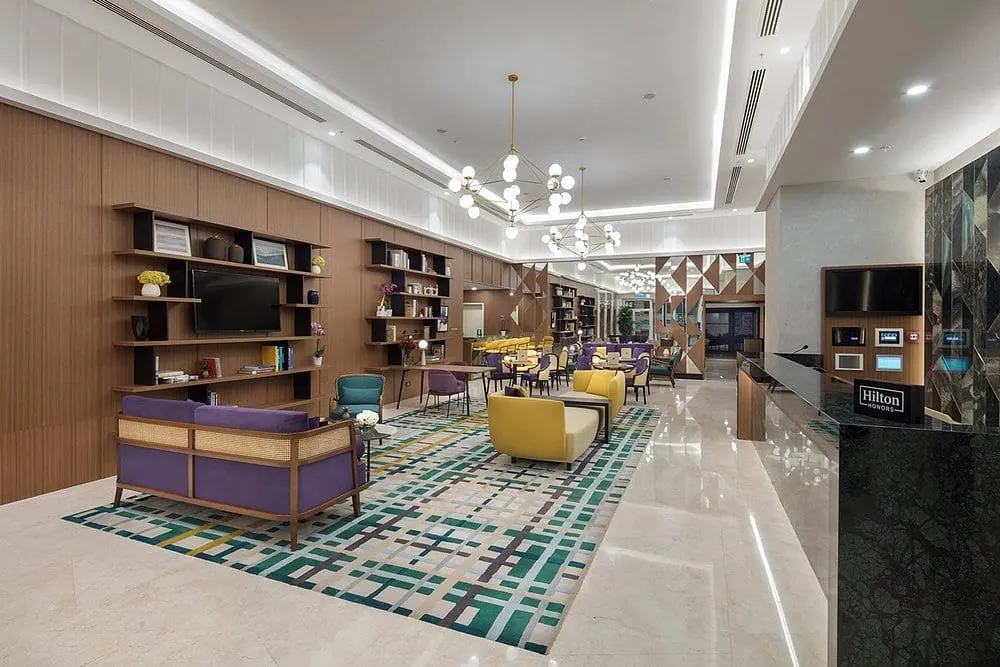
A hotel's interior shapes guests' first impressions while reflecting the brand identity. Colours have powerful psychological effects. For a luxury hotel experience, soft neutral tones (beige, grey, taupe) enriched with brass or anthracite details convey a modern stance.
Luxury hotel lobby design concept
2. A Strategic Lighting Scheme
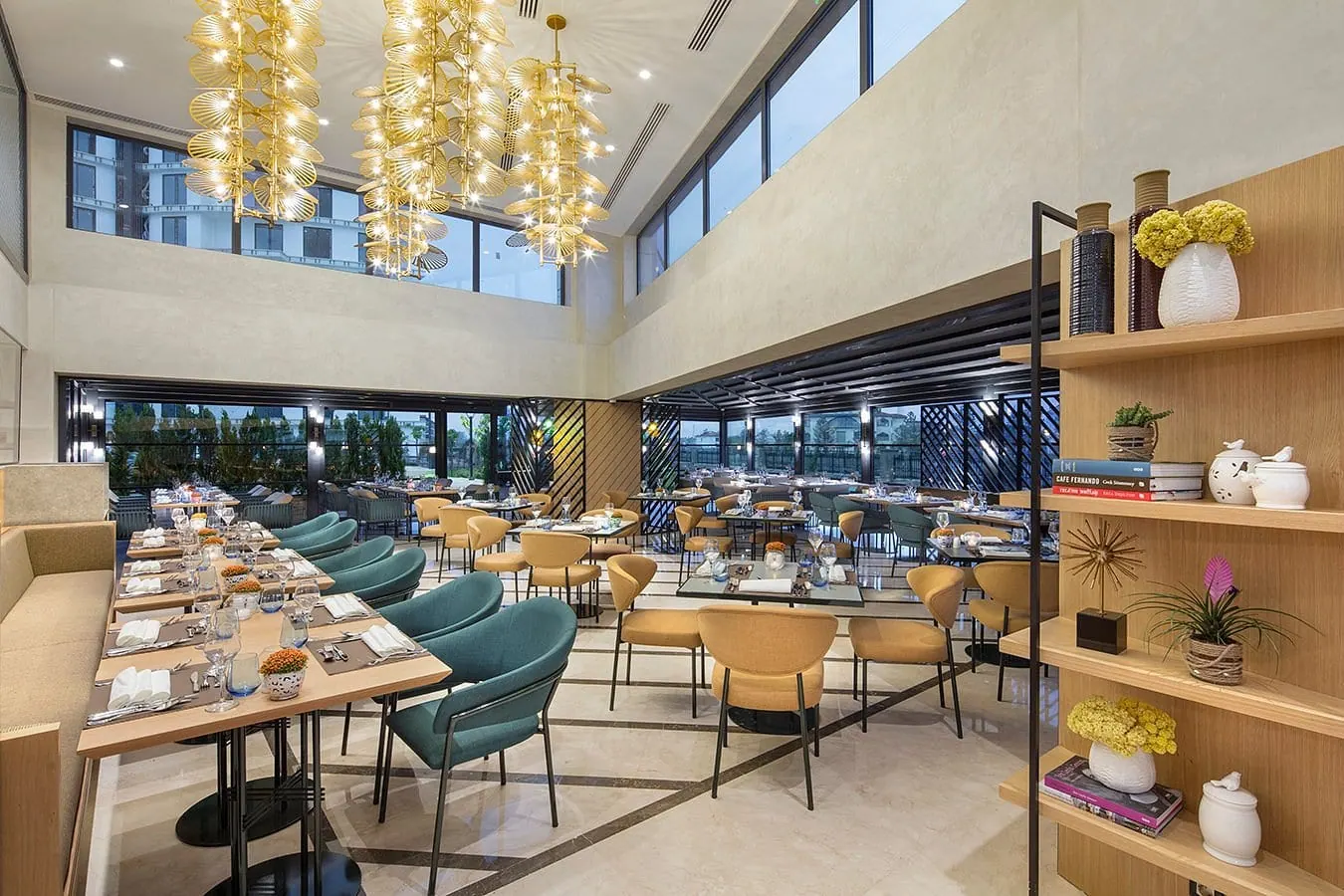
Lighting defines the soul of a space. Alongside general lighting, accent lighting should highlight artworks and architectural details. A dim, layered scheme reinforces the feeling of luxury; dimmable systems that shift between daytime and evening scenes are essential.
3. Material Selection and Durability
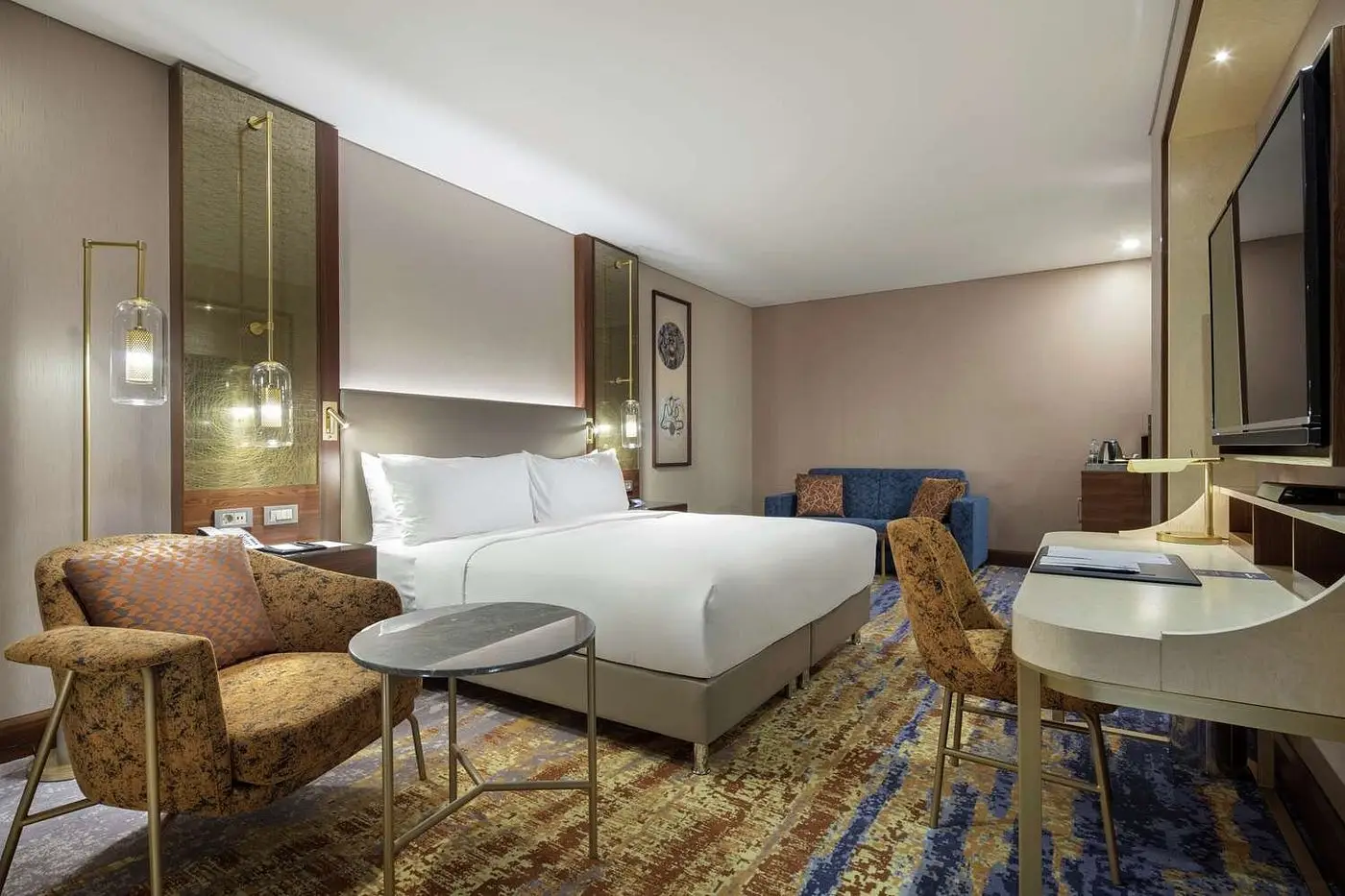
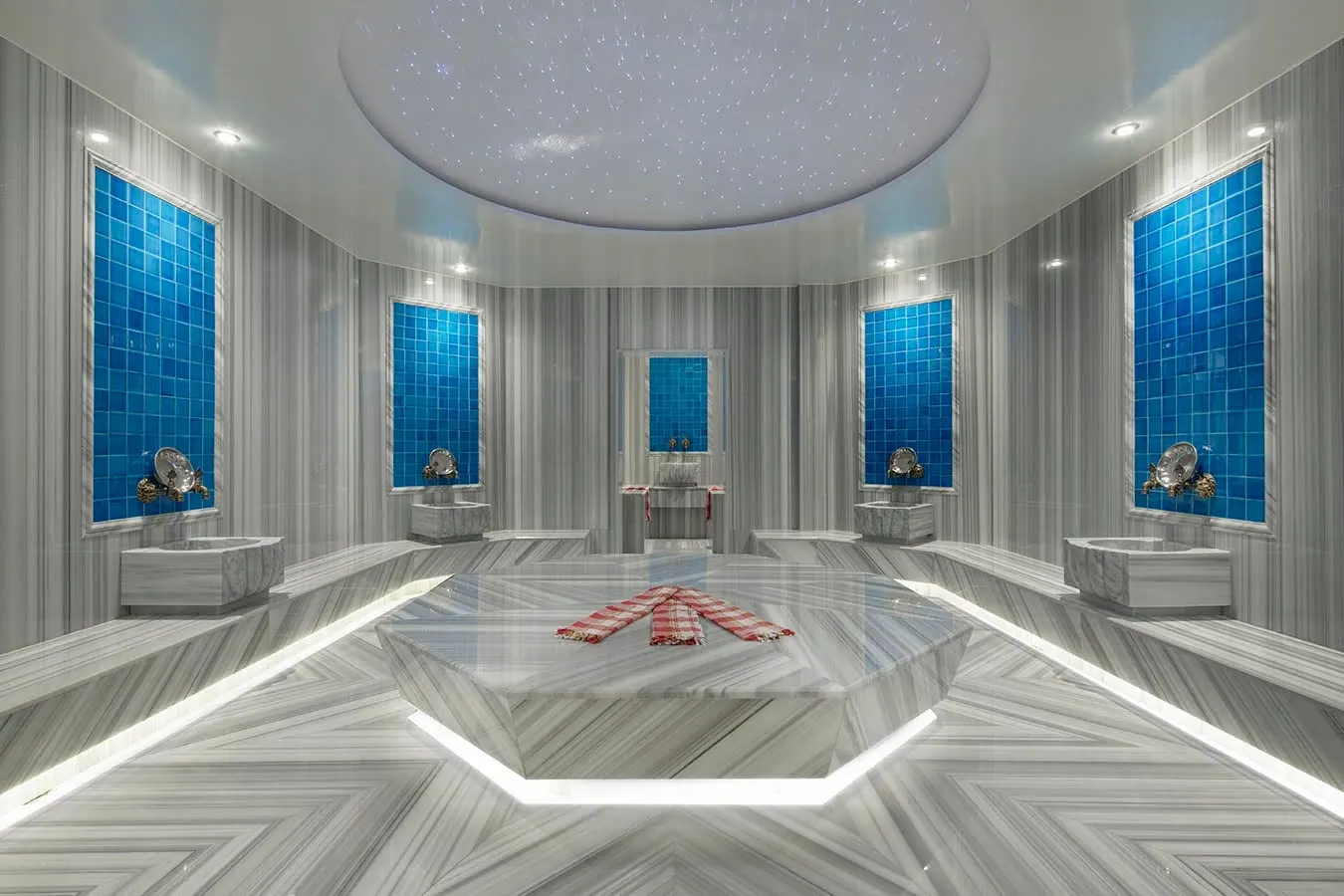
Premium materials and texture
4. Functional Room Planning
The guest room is the hotel's real product. Bed position, access to sockets and lighting, luggage space and the bathroom transition must be planned to the millimetre. A well-designed room feels more spacious and comfortable than a competitor's within the same footprint.
5. Art and Local Identity
Art defines a hotel's character. Works by local artists or objects designed for the concept help guests form an emotional bond with the space. Interpreting the region's cultural texture in a modern language turns a hotel from "a chain like any other" into a memorable place.
6. Public Areas and Guest Flow
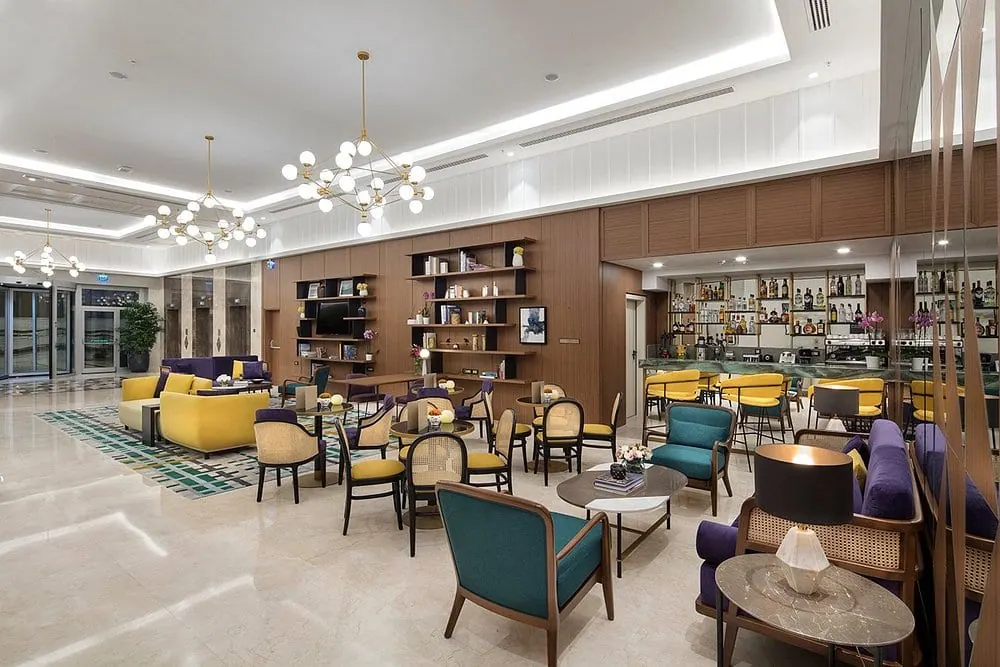
The circulation between lobby, restaurant, bar and meeting areas is the invisible backbone of the guest experience. From reception to lift, from breakfast room to spa, the flow must be intuitive, and staff and guest circulation should never cross awkwardly.