Choosing an Interior Architect in Kocaeli: 7 Questions
Contents⌄
- 1. "Are you an interior architect or a decorator?"
- 2. "What exactly is in the deliverable package?"
- 3. "How do you handle seismic reality in Kocaeli?"
- 4. "Who handles permits and regulatory compliance?"
- 5. "On what basis is the fee calculated?"
- 6. "Will you build it, or supervise it?"
- 7. "What have you done in this area before?"
- Summary
Seven Questions to Ask When Choosing an Interior Architect in Kocaeli
On most projects an interior architect is chosen on the strength of their portfolio. But visual taste is only one dimension of the work. The real difference emerges in whether scope and responsibility are defined clearly from the start — and where that clarity is missing, disputes surface during construction, at the most expensive possible moment.
As Vice Chairman of the Kocaeli branch of the TMMOB Chamber of Interior Architects, I follow regional practice closely. The seven questions below are the ones to ask before signing.
Clarity of scope is a project's cheapest insurance
1. "Are you an interior architect or a decorator?"
This distinction affects budget more than any other and is asked about least. Decoration works on surfaces without changing spatial structure: colour, furniture, textiles, accessories. Interior architecture rebuilds the space itself — wall positions, wet-area layout, mechanical and electrical infrastructure, lighting design.
The difference shows up plainly: you cannot fix a badly planned layout with decoration. A narrow corridor does not widen with light paint, and a badly placed kitchen does not become efficient with good furniture.
2. "What exactly is in the deliverable package?"
What an interior architecture project actually delivers is often left vague, and that is where disputes begin. Ask for these items to be listed individually in the contract:
- Construction plans (walls, floors, ceilings, wet-area layout)
- Reflected ceiling and lighting plan with circuiting
- Electrical and services layout (sockets, switches, data, water/drainage points)
- Bespoke fabrication detail drawings
- Material specification (make/model, technical class, alternates)
- Quantity schedule, at a level fabricators can price from
- Site supervision: how many visits, at which stages
"I will provide 3D visuals" and "I will provide a construction package" are two very different commitments. Without the second, the contractor works to their own judgement.
3. "How do you handle seismic reality in Kocaeli?"
In Kocaeli, decisions about removing walls, relocating wet areas and renewing services are safety matters, not aesthetic ones. Someone who cannot read the structural system cannot say "this wall can go."
4. "Who handles permits and regulatory compliance?"
This is where working with a regionally based interior architect pays concretely: knowing the practice of Kocaeli Metropolitan and the district municipalities shortens the process by weeks.
5. "On what basis is the fee calculated?"
Interior architecture fees are usually structured one of three ways: a rate per square metre, a percentage of construction cost, or a fixed project fee. Whichever is used, the same variables drive the number:
- Scope — concept only, or including the construction package and site supervision?
- Proportion of bespoke work — a project resolved with off-the-shelf products and one where every piece is drawn differ enormously in workload.
- Existing building or new build? — in renovations, measured survey and condition assessment are separate items.
When comparing quotes, make sure these three variables are identical; otherwise you are comparing different jobs.
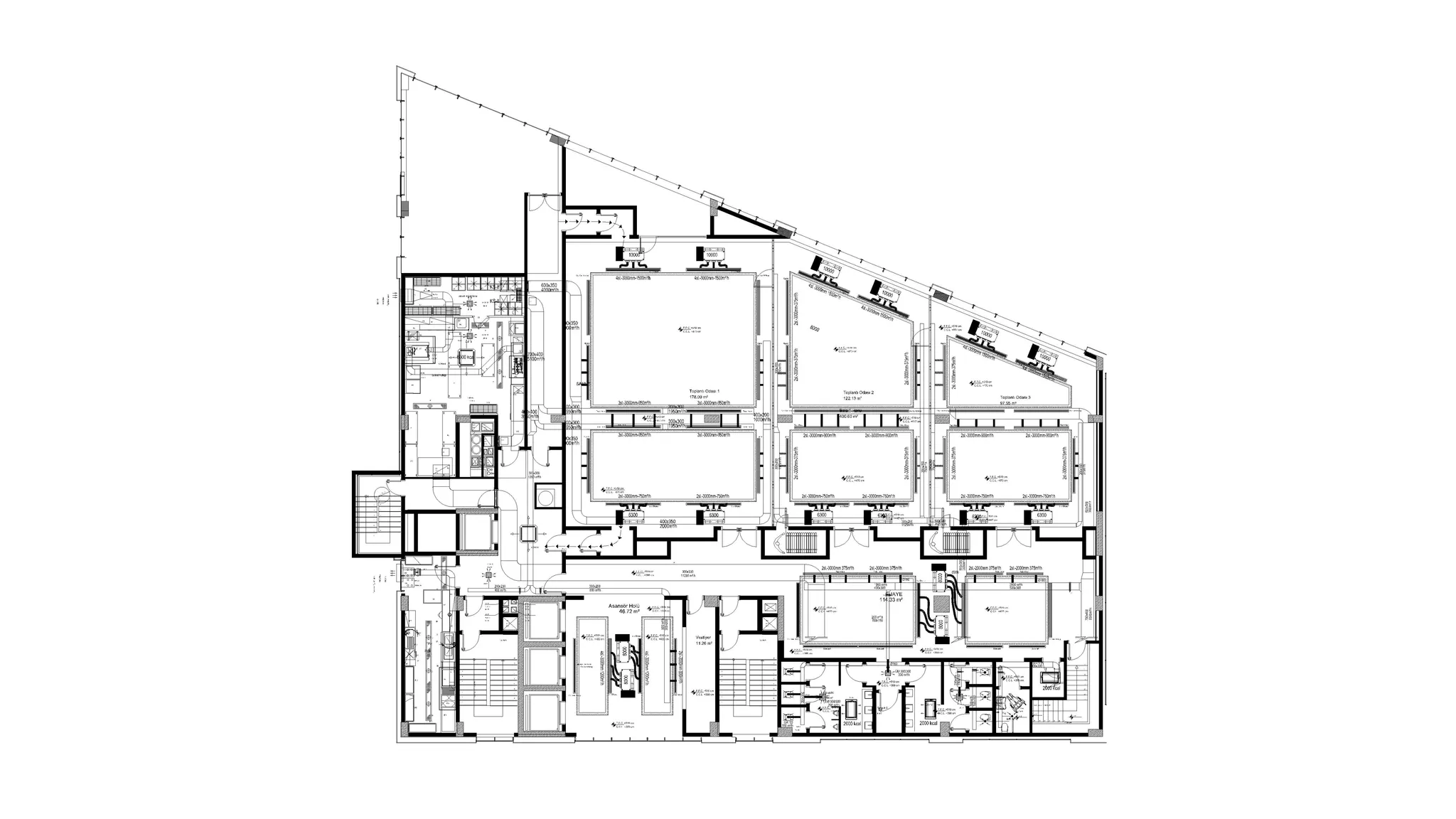
Without detail drawings, fabrication comes down to guesswork
6. "Will you build it, or supervise it?"
Combining design and construction in one hand speeds things up but weakens oversight: a party checking its own work cannot be impartial. Separating them adds coordination effort.
7. "What have you done in this area before?"
Summary
Choosing well has less to do with liking a portfolio than with clarity of scope. Asking these seven questions before signing eliminates the most expensive surprises up front.