Cruise Ship Interior Design: A New Definition of Luxury
Contents⌄
Cruise ship interior design is essential to maximising the luxury experience the seas can offer. Since 2022 I have managed Europe's leading cruise projects as Head of Design at Cita Design Studio. I share here the current approaches to the interior architecture of these "floating cities", drawn from that experience.
1. Why Cruise Design Matters
Cruise interior design is not merely an aesthetic choice — it is an economic necessity and a strategy that drives customer satisfaction. Throughout the voyage, the functionality of the interior shapes the entire travel experience.
Unlike a hotel on land, every square centimetre and every kilogram on a ship is accounted for. The designer must solve weight, fire safety and vibration constraints at the same time as meeting the expectation of luxury.
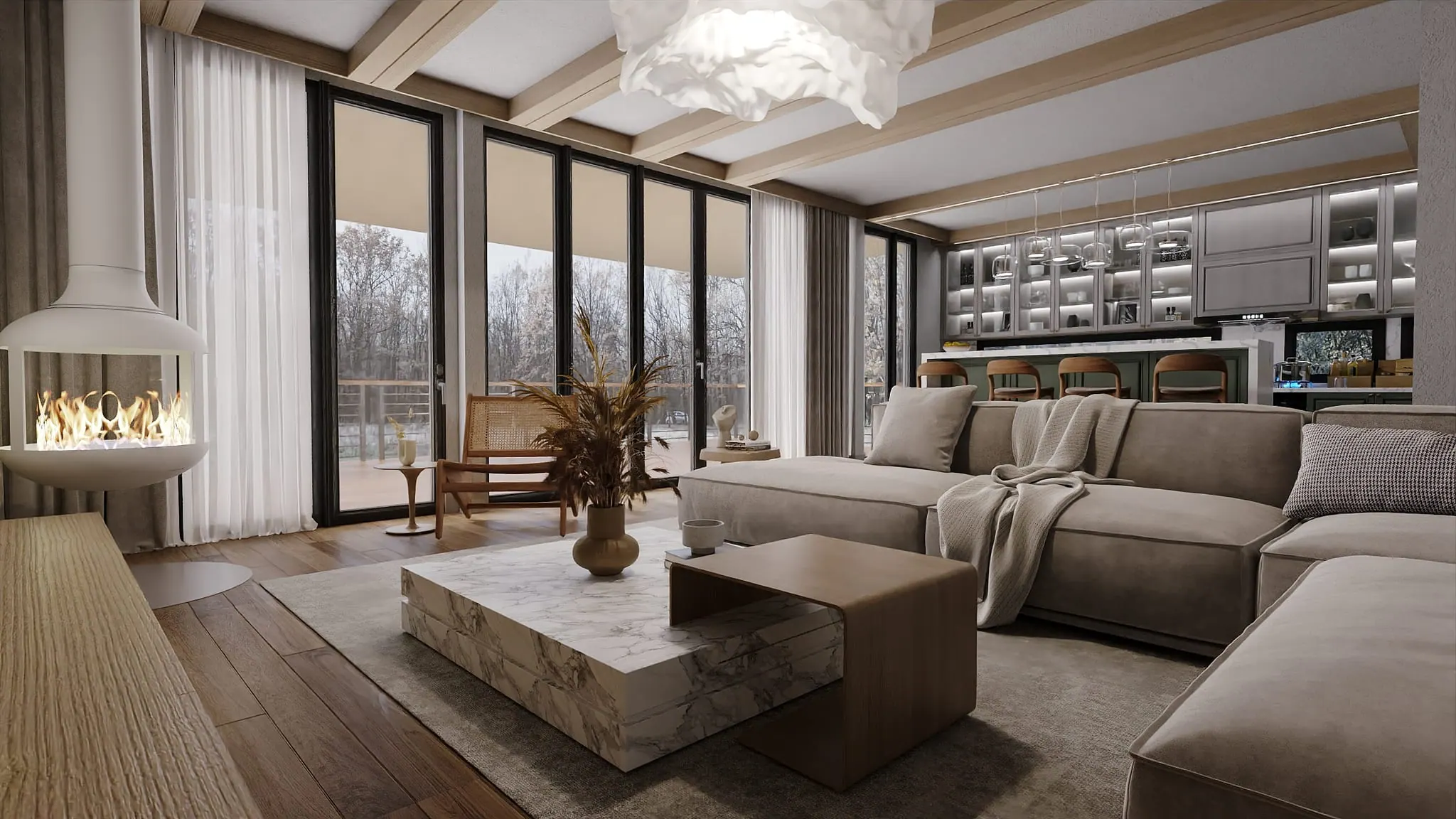
Luxury cruise ship interior design
2. Design Trends on Modern Ships
- Minimalist approaches: Spacious environments created with restrained, purposeful decoration.
- Natural materials: Wood and stone texture create the feeling of a natural refuge in the middle of the sea.
- Smart technologies: Dynamic lighting and integrated entertainment systems are the heart of modern projects.
- Biophilic design: Natural light, green textures and organic forms strengthen the guest's bond with the sea.
3. IMO/MED Standards and Materials
Cruise voyages are lifestyle experiences. Composites, glass and technical textiles that meet maritime conditions (IMO/MED standards) and resist humidity — without compromising aesthetics — are the foundation of cruise design.
Striking the balance between fire-rated certified surfaces and a luxurious appearance is the most demanding and most specialised aspect of this field. The right material engineering delivers both safety and guest comfort at once.
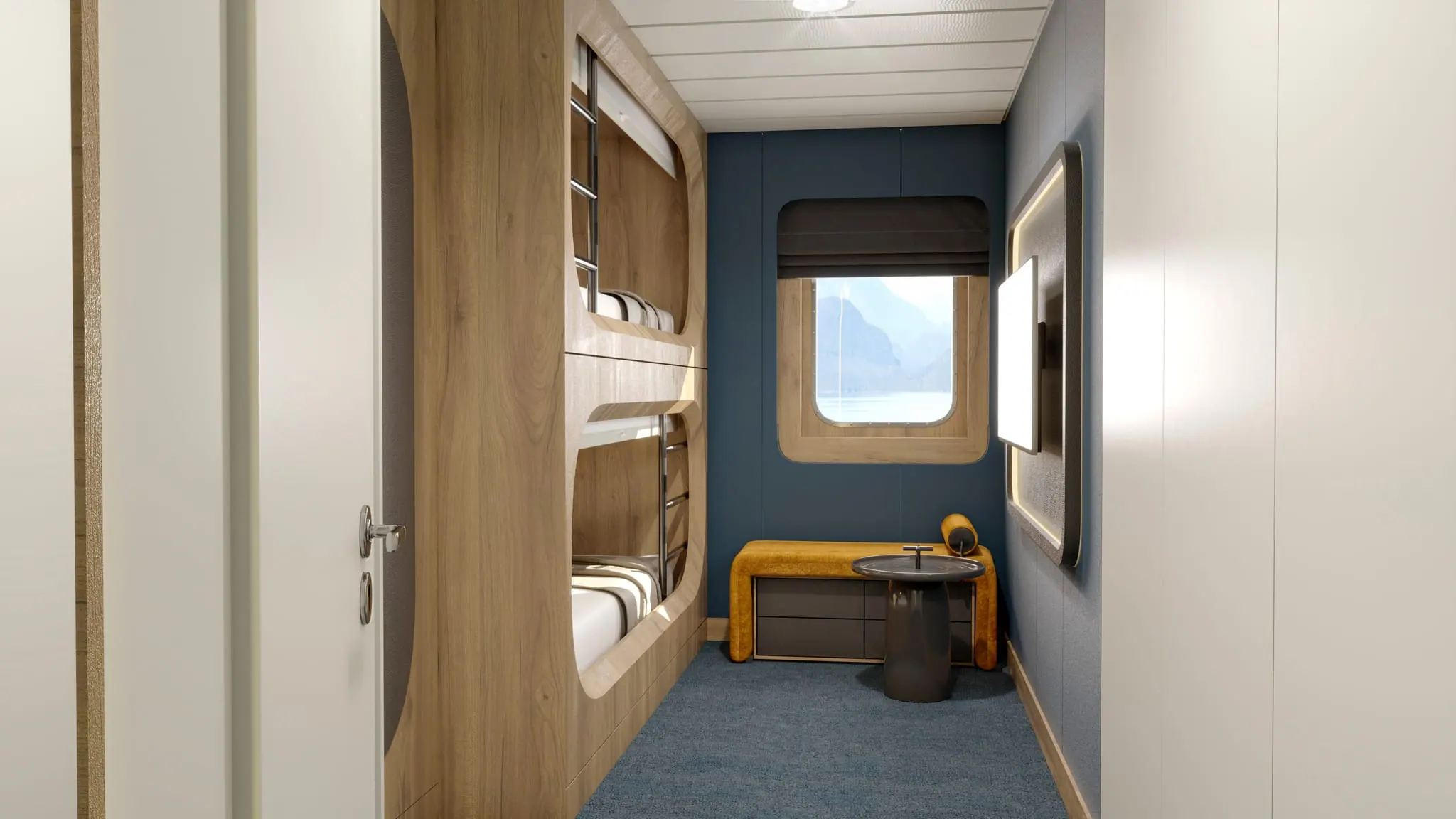
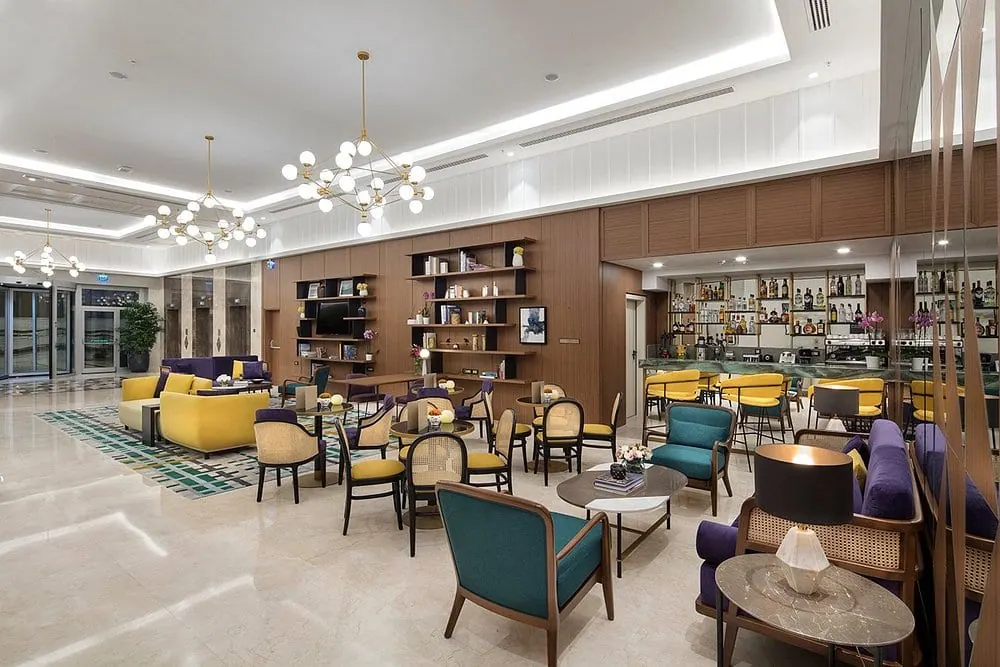
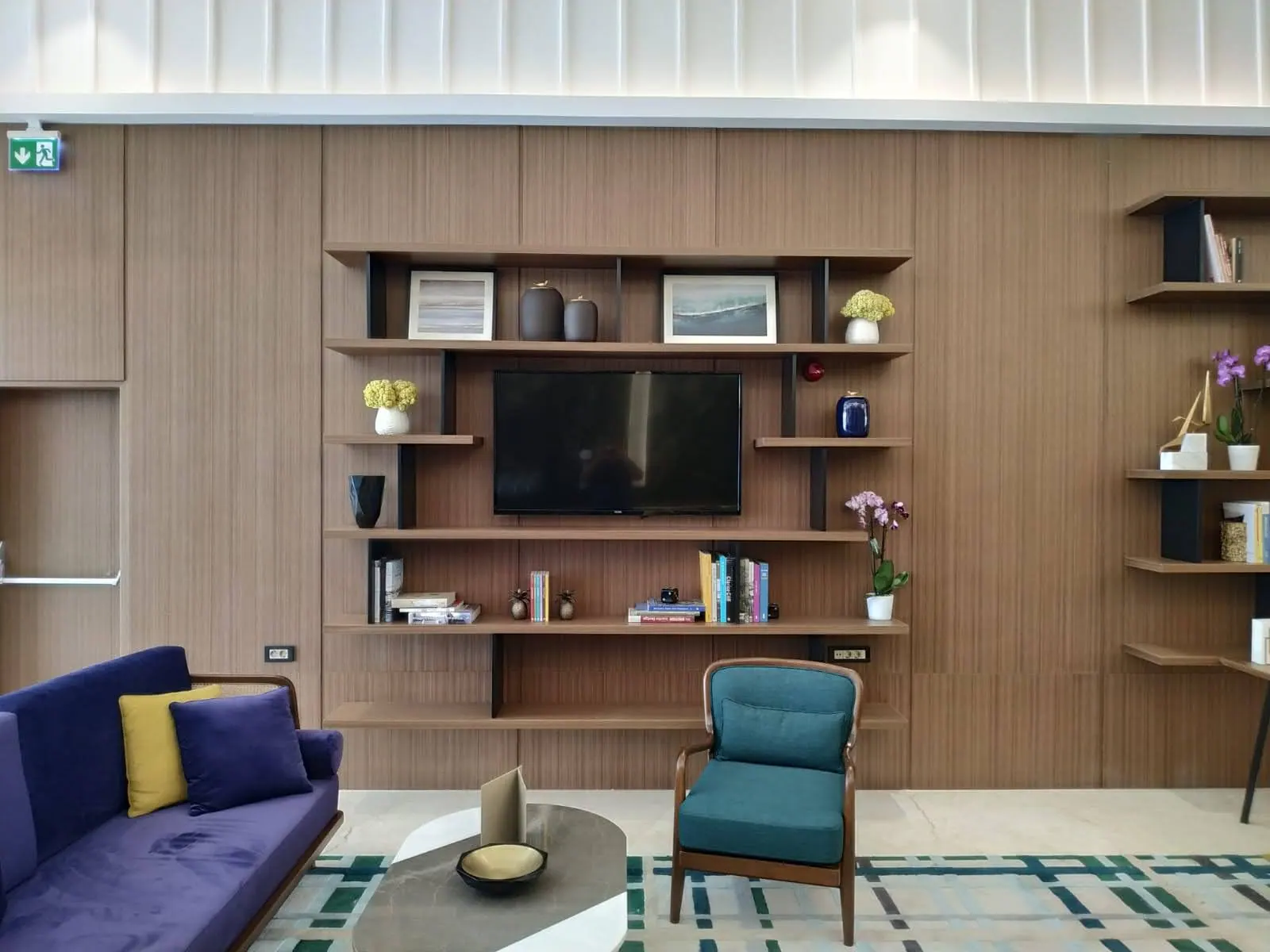
Innovative materials in marine architecture
4. Cabin Experience and Ergonomics
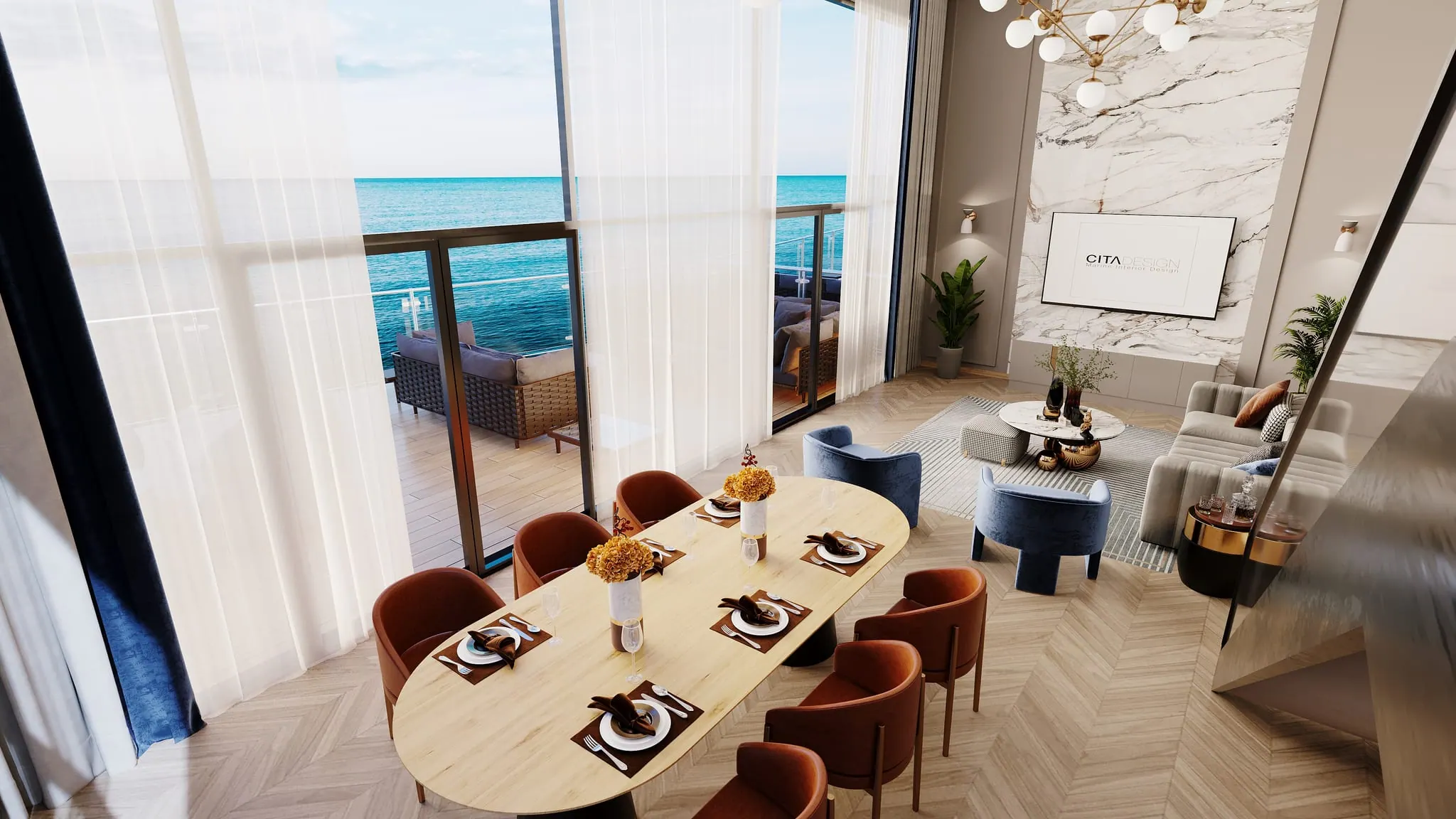
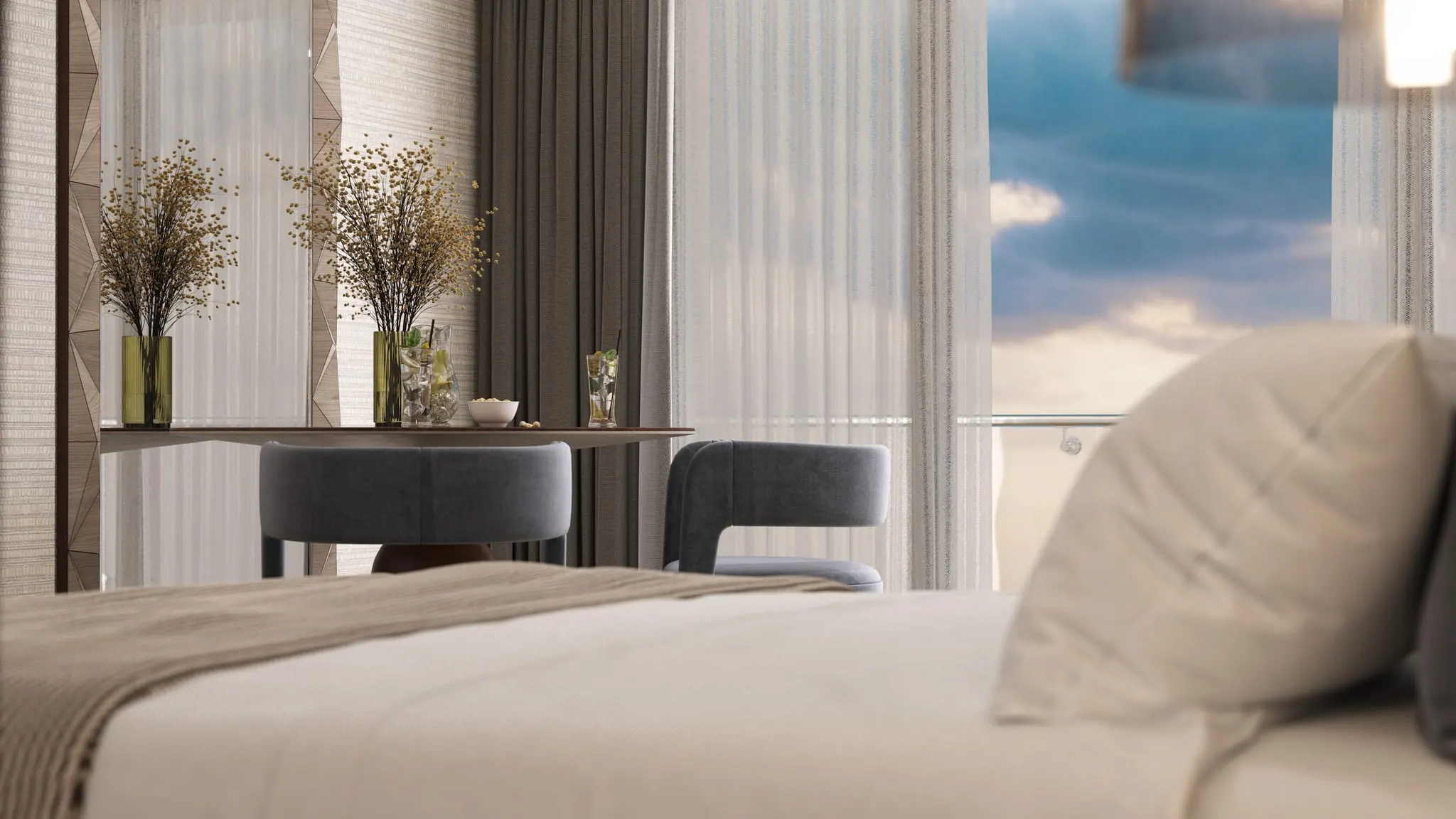
In balcony suite cabins, the transition between the interior and the veranda is the strongest point of the bond with the sea. Designing this threshold well multiplies the perceived value of the cabin.
Projects in this article
Related pages