
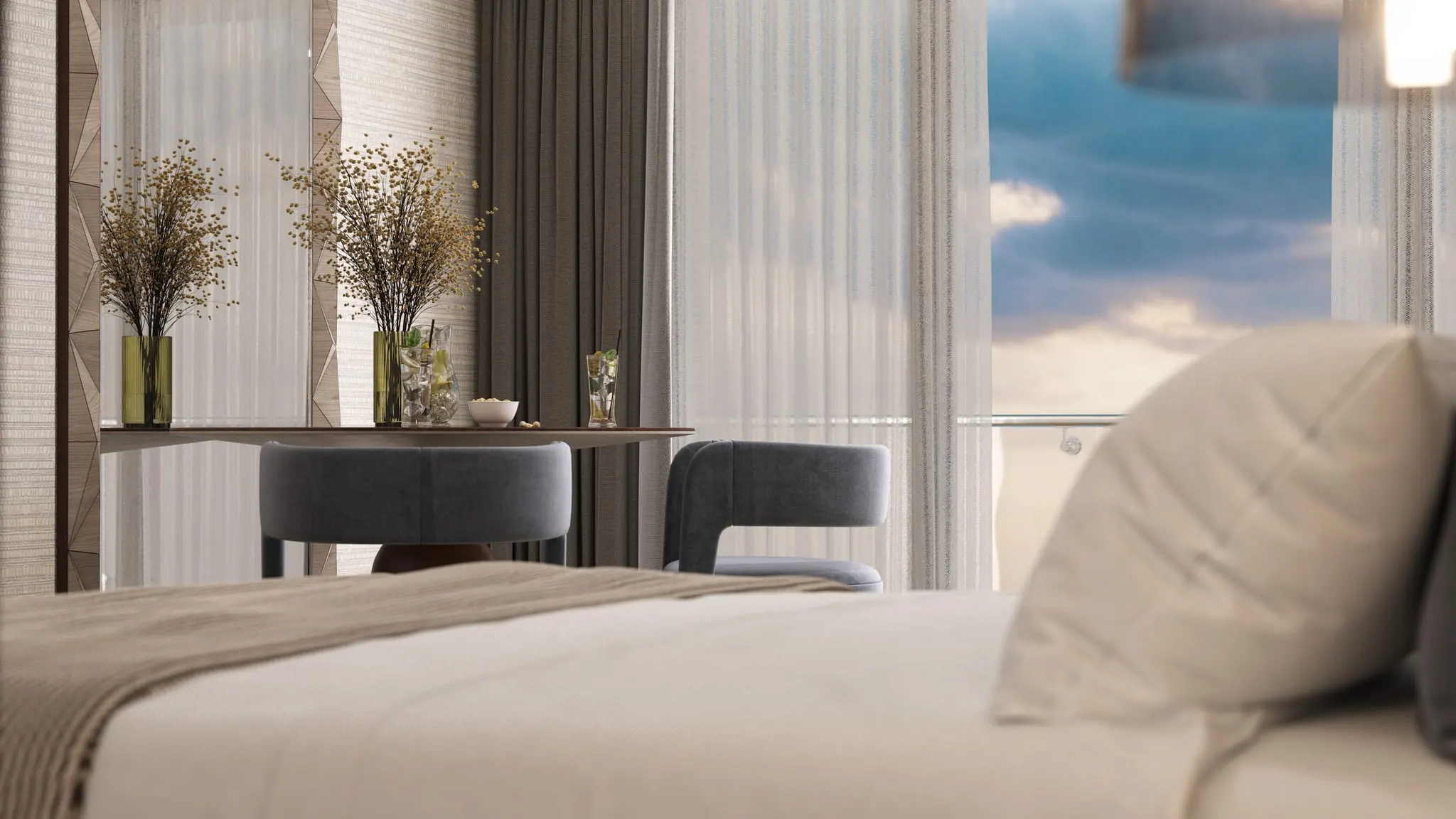
Marine Design
Interior Design ProjectSince 2022, as Head of Design at Cita Design Studio, I have led interior design for leading European cruise ship projects. Marine design is a specialty that demands strict compliance with IMO/MED maritime regulations and a high level of technical discipline.
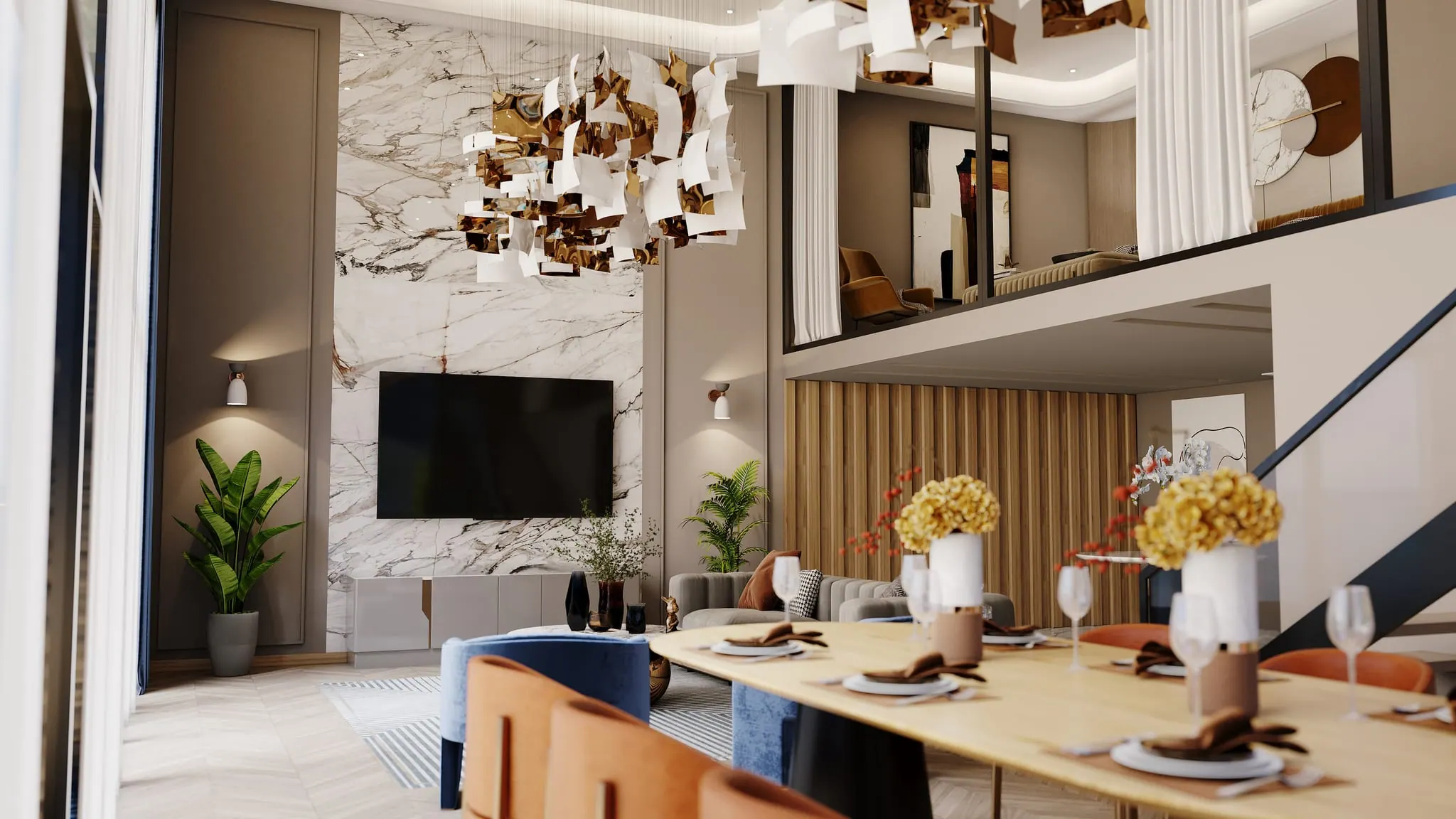
Completed Marine Projects
Cruise Ship Penthouse Veranda Cabin Design (2024)
Interior design for the cruise ship's premium cabin category.
Cruise Ship Family Suite Design (2024)
Functional, comfortable interior solutions for family cabins.
Cruise Ship Suiteroom Interior Design (2023)
Design for an above-standard suite cabin category.
The Challenges of Marine Design
Shipboard interiors carry far stricter technical requirements than hotel design: weight constraints, fire-safety regulations (IMO/MED), materials resistant to saltwater and humidity, and maximizing comfort within limited volume.
Related Services
- Yacht Design: My private yacht projects.
- Hotel Design: My hospitality design background.
How IMO and MED Standards Shape the Design
On cruise and commercial vessel interiors, design freedom is exactly the room regulation leaves. The headings that matter most in practice:
- Fire subdivision (class A/B/C bulkheads). The class of cabin and corridor bulkheads directly limits which linings may be applied, and changing a bulkhead class later is effectively impossible.
- Material certification. A lining, textile or flooring without the MED "wheelmark" cannot enter the project. This narrows the palette markedly against land projects, and sourcing compliant alternatives is a specialism in itself.
- Escape routes and signage. Corridor width, door swing and low-location lighting are regulatory decisions, not design ones.
- Vibration and noise. Structure-borne vibration from machinery and propellers is the hardest component of cabin comfort to resolve, and the solution lies in connection detailing rather than surfaces.
Repetition and Prototyping in Cabin Design
On a cruise ship the same cabin type is built hundreds of times. That produces two consequences absent from land projects:
- Every decision is multiplied. Gaining a few centimetres per cabin can mean an additional cabin at ship scale. Equally, a small cost difference per cabin becomes a major line item in total.
- A prototype cabin is mandatory. Before series production, ergonomics, assembly sequence and cleaning access are tested on a full-size mock-up. An error found at this stage is cheap; the same error found in production is very expensive.
Where I Work: The Altınova and Gulf of İzmit Belt
The build side of my marine projects runs along the shipyard belt between the Gulf of İzmit and Altınova. The Cemre NB1091 Hinnøy ferry was built at Cemre Shipyard in Altınova; the offshore support vessel and the cruise cabin work were carried out in Yalova. The yacht-scale NB22 project sits at the Kocaeli end of the same belt, at Norse Shipyard in Gölcük.
Working along this belt matters to cruise and commercial vessel interiors in two ways:
- Access to certified materials. Sourcing MED-marked wall covering, textile and flooring runs through a far narrower supply chain than any land project. Direct contact with suppliers working in the yard districts keeps that narrowness manageable and speeds up approval of alternative products.
- Verifying the prototype cabin in place. The full-size mock-up built before series production is assembled and tested at the yard. When ergonomics, assembly sequence and cleaning access can be checked the same day, this stage takes days instead of weeks.
Industry Notes
Let's Talk About Your Project
The first consultation is free. Let us review the scope, budget and timeline of your project together.
Murat Yuksel Interior ArchitectureŞirintepe Mah. Şirin Sok. No:47/2A, İzmit / Kocaeli
+90 506 617 93 27 · murat@yukselmurat.com