Chain Hotel Design Trends & Criteria 2026: Sustainability, Wellness and Local Identity
Contents⌄
- Sustainability and ESG Certification
- Biophilic Design and a Bond with Nature
- Wellness, Spa and Rooftop Social Spaces
- Local Identity and a Sense of Place
- Flexible and Hybrid Public Areas
- Smart Room Technology and Accessibility
- Healthy Materials and Indoor Air Quality
- Durable and Circular Materials
- Circadian Lighting and Sleep Comfort
- Data-Driven Design and Guest Feedback
- Bringing Trends Together with the Brand Standard
Chain hotel restaurant and social space design
Sustainability and ESG Certification
The most decisive criterion of 2026 is sustainability. Global brands now demand green-building certificates such as LEED, BREEAM and EDGE as part of the investment decision. For the interior architect, this means low-VOC paints, recyclable textiles, water-efficient fittings and energy-efficient lighting. Local sourcing of materials both lowers the carbon footprint and supports the regional economy. Sustainability is no longer an "extra" but an inseparable criterion of the brand standard. Towards 2027, I expect this expectation to tighten further with carbon-neutral operation targets.
Biophilic Design and a Bond with Nature
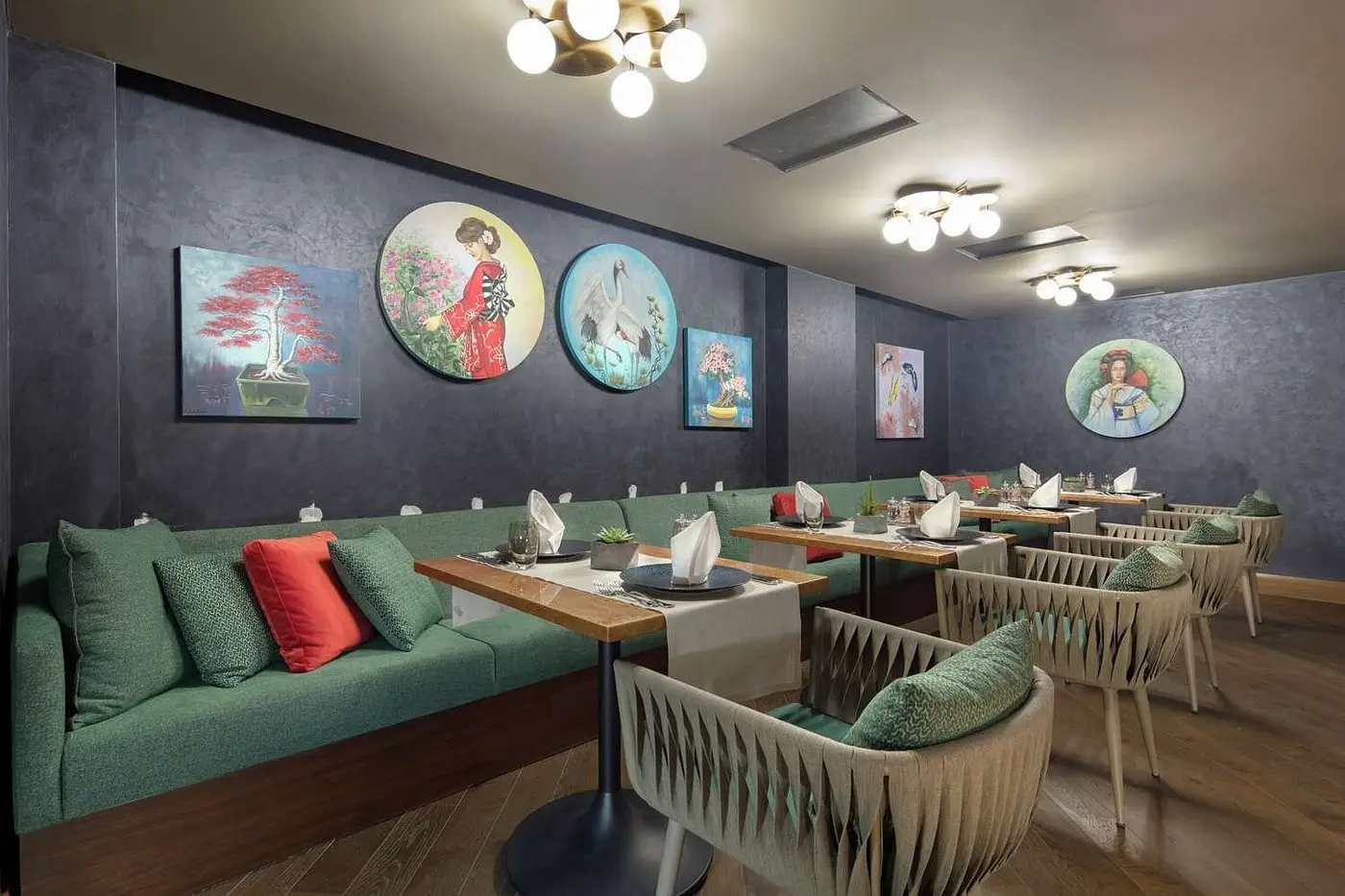
Biophilic design — connecting a space to nature through natural light, plants, natural materials and organic forms — became the visual counterpart of wellness in 2026. Living green walls in lobbies, natural timber veneers in rooms and wide façades that bring in daylight lower guest stress. On the Afyon project we used Alpi natural timber veneers and a vivid colour palette to build an energetic interior atmosphere that contrasts with the muted steppe outside. The biophilic approach is the most powerful tool for adding warmth and originality to a space without breaking the brand standard's neutral palette.
DoubleTree by Hilton rooftop bar and social space
Wellness, Spa and Rooftop Social Spaces
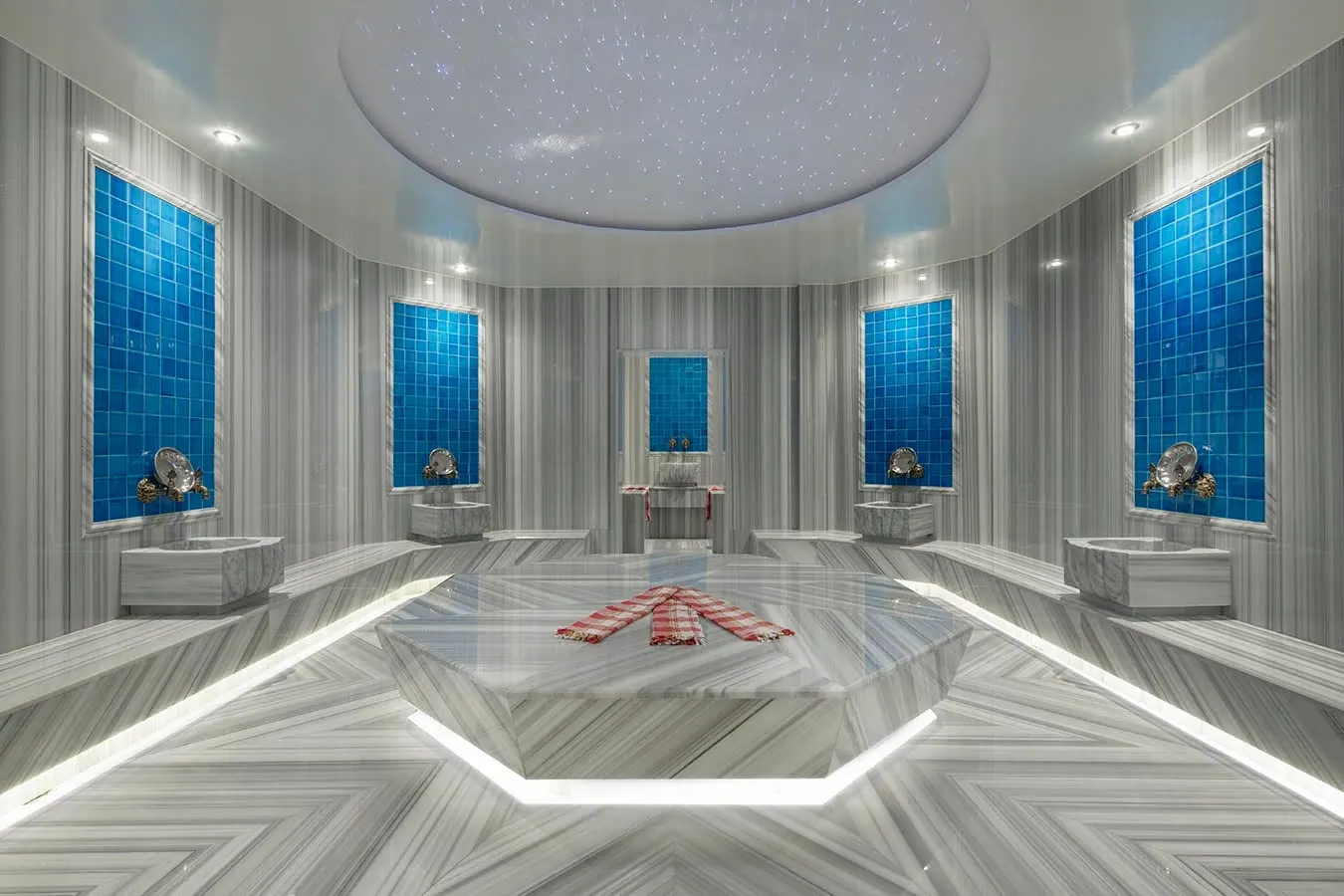
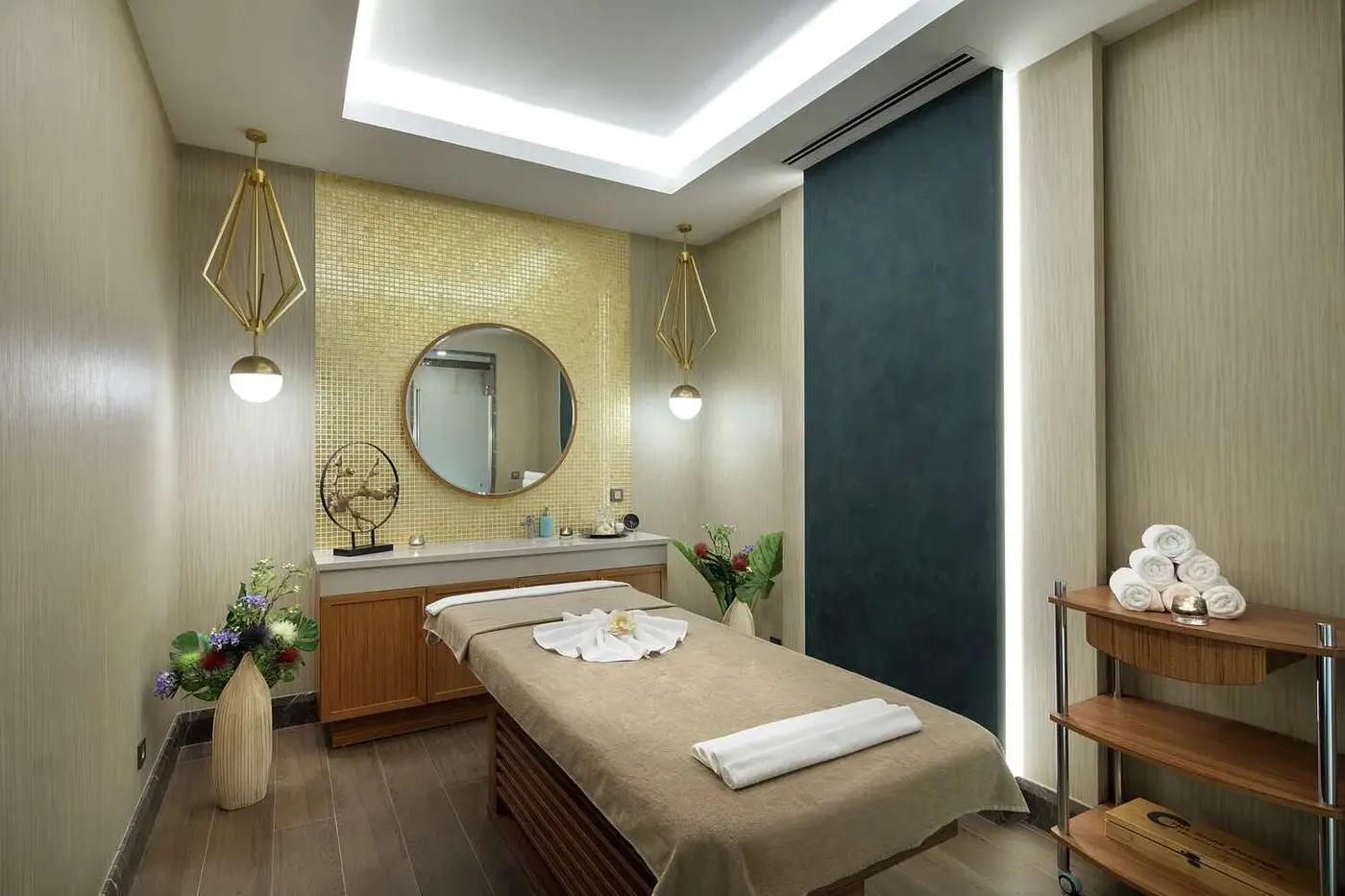
The guest now seeks not just accommodation but a wellbeing experience. In 2026, wellness and social spaces such as the spa, fitness, hammam and rooftop bar have become the hotel's centre of revenue and prestige. Brand standards meticulously define these areas' capacity, flow and technical infrastructure (ventilation, humidity management, fire evacuation). Turning rooftop floors into multi-functional spaces that combine both the view and social interaction directly increases the return on investment. Wellness climbs higher on the criteria list every year.
Hotel wellness and spa area design
Local Identity and a Sense of Place
Flexible and Hybrid Public Areas
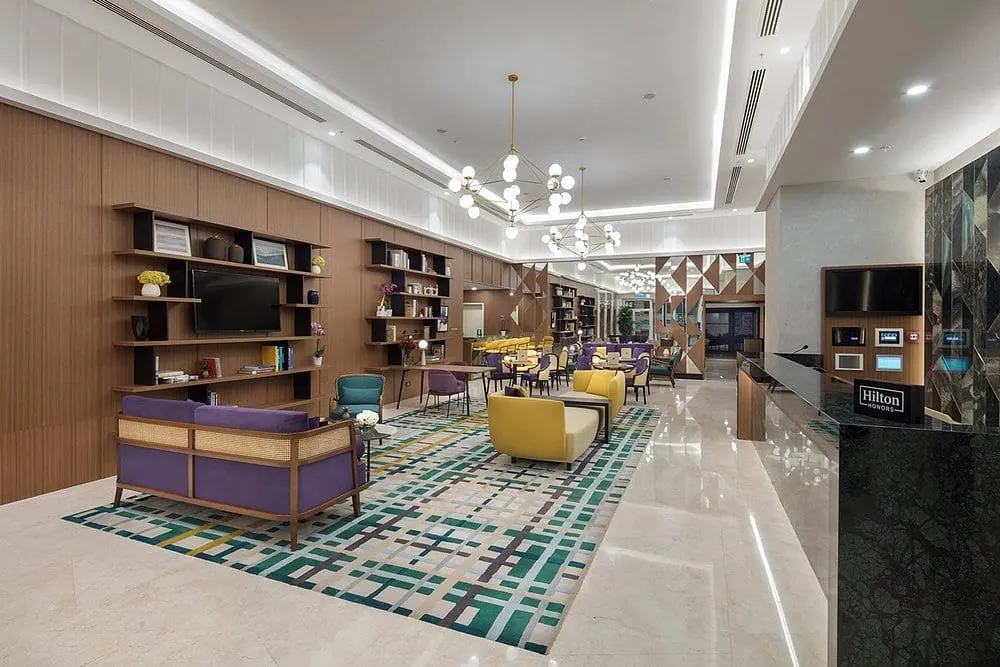
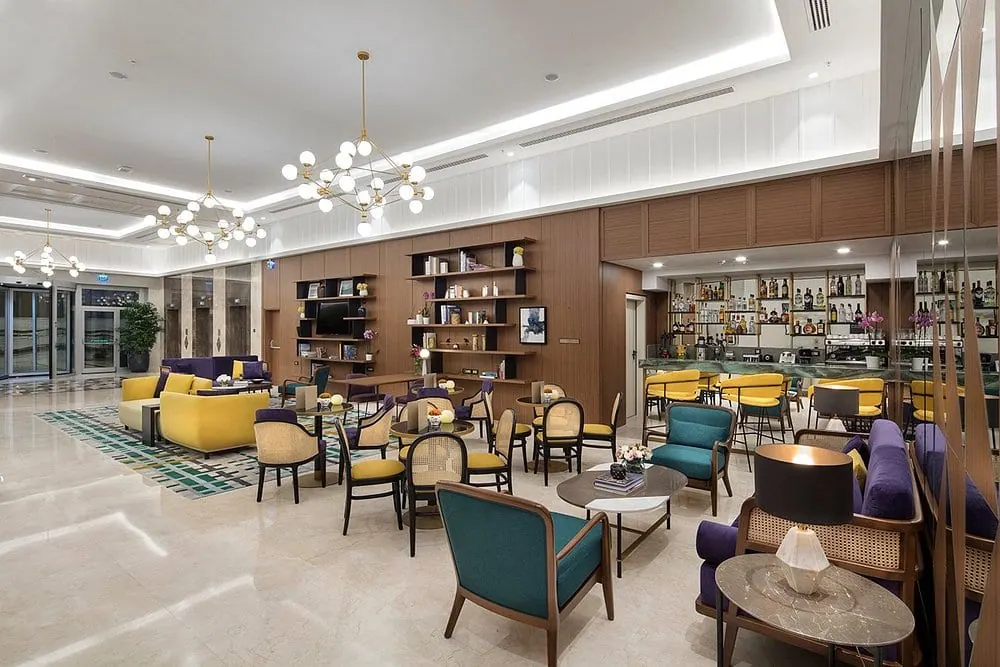
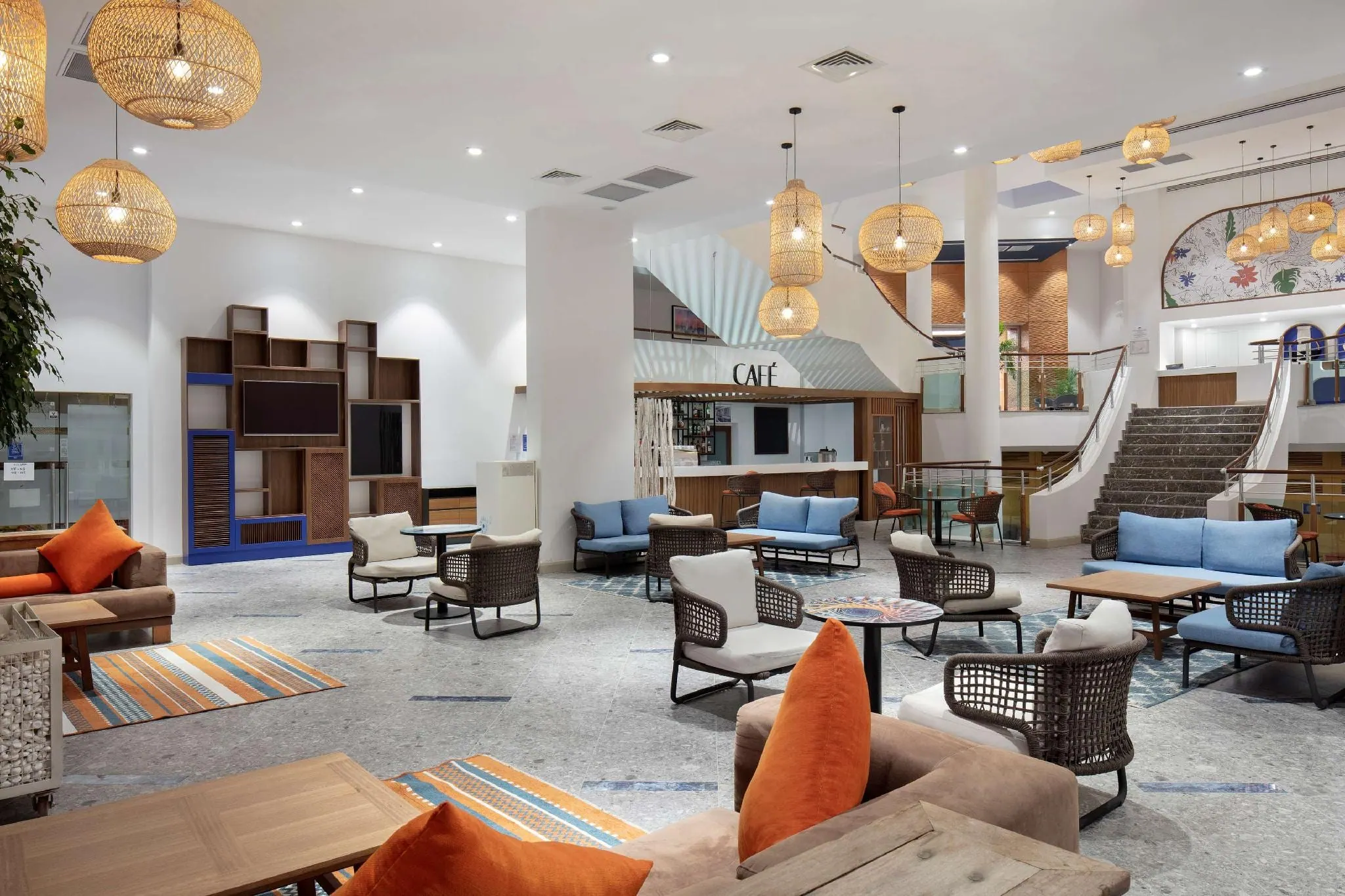
As remote work has become permanent, the lobby is no longer merely an arrival area but a hybrid living space serving the work-meet-eat trio at once. In 2026, brands demand lobbies with flexible furniture that can shift from co-working by day to a social meeting point by evening. The ability of ballrooms to transform into differently sized conference halls through movable partition walls is part of the same flexibility criterion. For the interior architect, this means producing multiple revenue scenarios from a single space.
Flexible and social hotel interior design
Smart Room Technology and Accessibility
In 2026 the guest room is increasingly digital: mobile check-in, sensor lighting and voice- and app-controlled systems have become part of the brand standard. Yet technology must be balanced with accessibility. Universal design principles — disabled access, intuitive controls, age-friendly ergonomics — are now a marker not of luxury but of basic quality. However smart a control panel may be, if the guest cannot understand it on the first try, the design has failed. The interior architect must resolve every detail — from sockets and charging points to lighting scenes, from wireless infrastructure to acoustic insulation — in a way that is both technological and inclusive. Towards 2027, I anticipate AI-assisted personalisation — rooms that remember the guest's preferred light, temperature and content settings — individualising the experience even further.
Healthy Materials and Indoor Air Quality
In the post-pandemic era, the guest's most invisible yet most important expectation is a healthy indoor environment. In 2026, brands foreground low-emission materials, antibacterial surfaces and strong fresh-air circulation as a criterion. Indoor air quality (IAQ) is now a performance indicator measured as closely as lighting levels. A well-designed ventilation strategy both protects guest health and supports energy efficiency. This is an "invisible" but decisive trend that requires the mechanical and interior architecture teams to work together from the very start.
Durable and Circular Materials
Circadian Lighting and Sleep Comfort
In 2026, lighting is no longer merely a visual tool but a health element that supports the guest's biological rhythm. Circadian lighting systems improve sleep quality by shifting from energising cool-white light during the day to warm tones that support melatonin release in the evening. Brand standards increasingly mandate dimmable, scene-based systems with adjustable colour temperature. Well-composed lighting can turn the same room into a workspace by day and a place of rest by evening. For the interior architect, light has become one of the most strategic criteria defining the soul of a space; a dim, layered scheme reinforces the sense of luxury while the right colour temperature directly affects the guest's sleep.
Data-Driven Design and Guest Feedback
The quiet revolution of 2026 is that design decisions are now backed by data. Brands measure which areas are genuinely used through occupancy sensors, guest satisfaction surveys and energy-consumption data. This data becomes the input for the next prototype and the next design-manual update. For the interior architect, this means combining "intuition" with "evidence": we no longer guess which lobby layout produces more social interaction or which room plan scores higher — we measure it. Data-driven design ties trends not to passing fashion but to lasting performance, and it shapes the brand's next standard.
Bringing Trends Together with the Brand Standard
Projects in this article
Related pages